Front Table Energy: Why UK Bookshops Have Stopped Hiding Webtoons at the Back
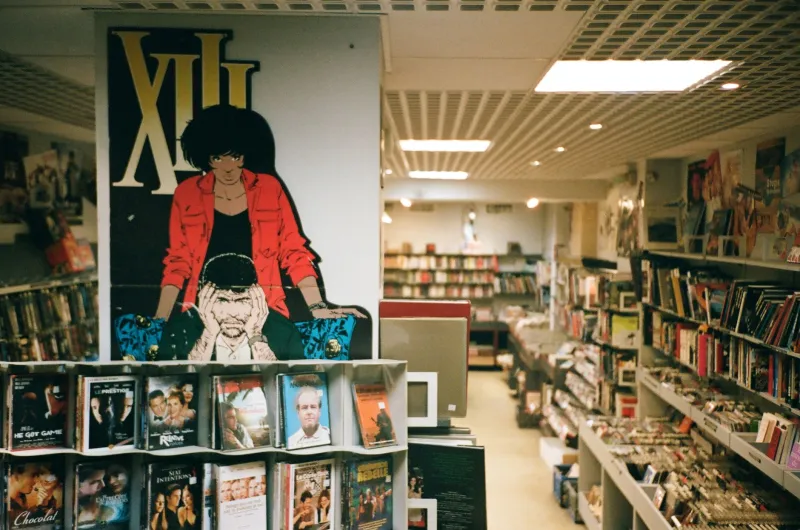
There is a particular table in most UK bookshops that acts as a shop's entire personality in about two square metres. By the door, at knee height, within arm's reach of the till. For years it was prize-list paperbacks, cookbooks from people off the telly, and whatever memoir had been serialised in the papers that week. In 2026, more and more of those tables have a distinct look: chunky, glossy, full-colour volumes with a spine width that says this was drawn, not typeset.
Webtoon print editions have made the jump from a shelf near the manga bay to the bit of the shop that decides what you're buying before you've taken your coat off. That's not a small thing. Front-of-store is where a bookshop places its bets.
From the Back Wall to the Front Table
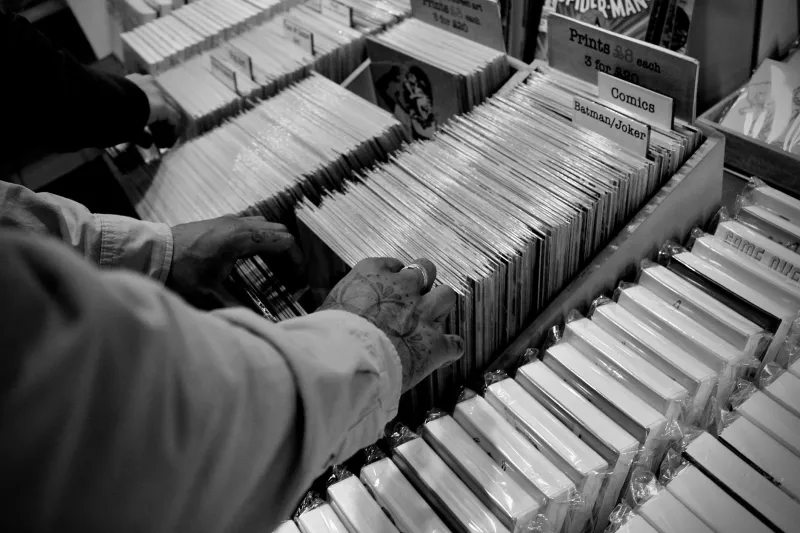
Talk to booksellers and the story is consistent. A few years ago, webtoon collections arrived as a trickle — a handful of titles filed next to the manga, occasionally propped up with a handwritten shelf talker that said something along the lines of "yes, it's the one from your phone." They sold, but quietly, and mostly to people who already knew what they were looking for.
The change came when shops realised the readers were arriving with the title already in their heads. Someone would come in, ask for a specific volume, and then — crucially — ask what else was like it. That's the moment a category stops being an import curiosity and starts being a section. Buyers noticed, orders got deeper, and the display moved forward.
Now you'll find dedicated bays in larger branches, and in independents you'll often find something more interesting: a genuinely curated table, arranged by mood rather than publisher. Slow-burn romance next to gothic fantasy next to a stack of something that looks like it should be a Netflix limited series.
What the Buyers Are Actually Doing
The merchandising has got smarter. Face-out display is everything with these books, because the artwork is the pitch — a webtoon volume spine-out is just a coloured rectangle with a number on it.
A few things you'll spot on a well-run table in 2026:
- Shelf talkers that name the vibe, not the genre. "If you liked the drama, the art is better" is doing more work than "fantasy."
- Volume-one stickers, because the single biggest barrier for a new reader is not knowing where the story starts.
- Handwritten staff picks, which remain the most powerful piece of marketing in British bookselling and always will be.
- A quiet nod to the source, usually a small card or QR code reminding people the original is serialised online.
That last point is the honest bit. Booksellers aren't pretending the print edition is the only way in — they're selling the print edition as the version you keep, gift, lend and reread without a battery percentage.
The Price Conversation Nobody Avoids Any More
Here's the elephant on the table: a hardback or large-format paperback collection of a webtoon will set you back somewhere between £14 and £20, and it covers a slice of a story you could be reading for free. Readers say so, out loud, at the counter.
Shops have got better at answering. The strongest pitch is the one about ownership and shelf life — these are books people hand to friends, take on trains, and put on a shelf they actually look at. Bundle deals and multi-buy offers have started appearing around launch windows, and a few independents now run trade-in or swap shelves for finished series, which feels very in keeping with how the fandom behaves online anyway.
There's also a pricing reality on the supply side. Colour printing is expensive, and volumes are thick. Nobody in the trade is pretending these are impulse buys at paperback prices, so the display has to do the persuading instead.
Discovery Is the Whole Point
The unexpected win here is who's now picking these up. Plenty of webtoon readers found the format through their phones and would never have browsed a graphic novel section. But a front table catches a different crowd entirely — parents buying for teenagers, library regulars, people who loved a certain adaptation and didn't realise there was a book underneath it.
Bookshops have also worked out that the fandom is already organised. Signing events, launch nights, late openings with a cosplay corner and a playlist — these do numbers in a way that a poetry reading rarely does. The community exists before the shop gets involved, which means the shop's job is mostly to provide a room and a till.
What It Means If You're the One Scrolling
The practical upshot for UK readers is that physical shops are now a legitimate recommendation engine rather than a nostalgia exercise. A good webtoon table is a filter. Someone has already read enough to know which series survive the jump to print and which ones read better on a phone in bed.
One small caution: shelf order and reading order are not the same thing. If you're buying blind, check the volume number and don't assume the prettiest cover is the beginning — a mistake more of us have made than will admit it.
The Shelf in 2026 and Beyond
Expect the front table to get more confident. We're already seeing shops group by tone and pacing rather than country of origin, and more UK-specific editions and extras turning up around release windows. The next step is probably the one manga took years ago: dedicated staff with a genuine specialism, and events that run on a schedule rather than as one-offs.
For now, the message from the counter is simple. The webtoons came in off the back wall, found a table by the door, and they're not going back.