The Ramen Chapter Comes to the Table: Inside the UK’s Webtoon Supper Club Scene
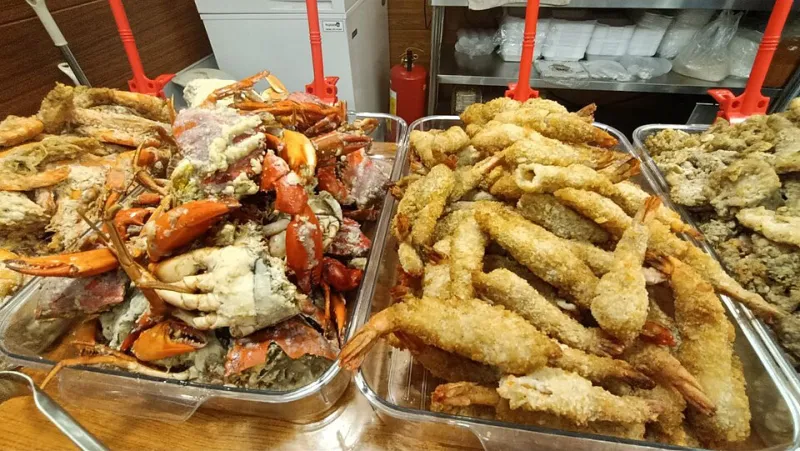
Photo: IndayLiburan, CC BY 4.0, via Wikimedia Commons
There’s a moment in almost every long-running webtoon where the plot slows down, someone opens a fridge, and the whole chapter changes temperature. A bowl of ramen steams in the corner of a panel. A bakery box gets passed across a counter. A character who has spent six episodes saying nothing meaningful suddenly asks whether you’ve eaten. Food in serialised comics is never just food. It’s pacing, care and a very quiet kind of plot device.
That might explain why a small but growing corner of UK fandom has started taking those panels literally. Across London, Manchester, Bristol, Glasgow and a handful of smaller towns, readers are organising webtoon-inspired supper clubs, recipe swaps and one-off dinner nights. The idea is simple: pick a chapter with a memorable meal, rebuild the menu, and eat it with people who also know exactly why the noodle broth matters.
Why a Bowl of Ramen Lands Harder Than a Plot Twist
Webtoons are built for the scroll. Panels arrive in a vertical rhythm, and a good food scene uses that rhythm like a pause button. The dialogue drops away. The art lingers on steam, sauce or the crunch of something fresh out of the fryer. You can almost hear the room go quiet.
That sensory gap is the point. A comic can’t let you taste anything, so it gives you texture instead: the sheen on a fried egg, the crackle of a pastry shell, the ridiculous perfection of a fictional bakery display. Readers fill in the rest. By the time a character takes a first bite, the scene has already done emotional work — comfort, homesickness, guilt, flirtation or the relief of getting through a terrible week.
In a weekly serial, that matters. Food scenes are often where the story breathes. They reset the stakes before the next cliffhanger. They let a cast sit together without a fight scene. And they give readers a reason to come back to a panel long after the chapter has ended.
From Scroll to Saucepan
UK supper clubs are leaning into that. The format varies: a ticketed dinner in a community kitchen, a bring-and-share recipe night in someone’s flat, a pub back room with a projector and a QR code menu. Some groups announce a theme — ‘late-night ramen’, ‘fictional bakery’, ‘fantasy tavern stew’ — and let everyone interpret it. Others swap recipes in a group chat for weeks before anyone actually cooks.
The menus tend to be unfussy. Ramen bowls with shop-bought stock upgraded by miso and chilli oil. Onigiri shaped badly but eaten happily. Korean fried chicken with pickled radish. Tteokbokki for people who like their comfort food chewy. Pastries that are less ‘bakery window’ and more ‘ambitious Sunday afternoon’. The point isn’t Michelin-level replication. It’s catching the feeling of the panel.
Sourcing has become part of the fun. UK readers are spoiled by Asian supermarkets in bigger cities, and online spice shops have made ingredients like gochujang, dried kombu and rice syrup far easier to find outside London. Organisers often build a shopping list around what’s local and affordable rather than chasing an exact fictional ingredient. If a webtoon calls for something impossible, the usual rule is: improvise, then argue about it over dinner.
The Hosts Doing the Ladling
Most of the organisers behind these nights aren’t professional chefs. They’re readers who got tired of talking about webtoons only through a screen. A few have hospitality experience. Many don’t. What they share is a knack for making a room feel low-pressure.
‘We wanted the vibe of a chapter where everyone is finally sitting down,’ one Bristol host tells me. ‘Not a convention, not a restaurant. Just a table where the food is the conversation starter and the comic is the reason we’re all here.’
That approach shapes everything from the guest list to the playlist. Spoiler warnings are common. Dietary labels are taken seriously. Tickets are kept cheap where possible, because a supper club that only works for people with disposable income misses the point of the stories it’s celebrating. Some hosts run a ‘bring a dish, bring a friend’ model; others cook a fixed menu and ask guests to contribute towards ingredients.
The best nights tend to have a gentle structure: eat first, talk second, maybe reread a panel together at the end. Nobody is forced to perform fandom. You can turn up knowing one webtoon or knowing forty. The food does the ice-breaking.
A Starter Guide for Your Own Panel-to-Plate Night in 2026
If you fancy hosting your own webtoon-inspired dinner, start smaller than you think. Pick one chapter with a clear food moment. Choose three dishes that can be made ahead or assembled at the table. Ramen is a good anchor because it scales, but a bakery-themed night of pastries and tea works just as well.
Set a budget before you invite anyone. In the UK, a simple three-dish menu can land around £8–£15 per head if you shop sensibly and lean on staples. Check allergens clearly, label everything, and don’t assume vegan or gluten-free guests will be fine with ‘just salad’. If you’re charging for tickets or using a public space, look into local council rules and kitchen hygiene requirements rather than winging it.
Then add the fandom layer. Print a few panels for the table. Put the chapter title on a card. Ask guests to bring a recipe swap or a favourite food scene from a webtoon they love. Keep the playlist warm, the lighting soft and the spoiler chat polite. The goal is a dinner that feels like a good comment section: lively, specific and generous.
The Next Course
What makes these nights work isn’t nostalgia for a fictional meal. It’s the recognition that food scenes in webtoons are often where characters are most honest. They admit they’re hungry. They accept help. They sit across from someone and stop pretending everything is fine.
Turning those panels into a real table is a natural extension of that. It’s fandom with its sleeves rolled up, a saucepan on the hob and a group chat full of half-improvised recipes. In 2026, the UK webtoon scene doesn’t just read together. It eats together, too — and that feels like a chapter worth following.