Secondhand Scroll: Why UK Webtoon Fans Are Shopping the Rack, Not the Drop
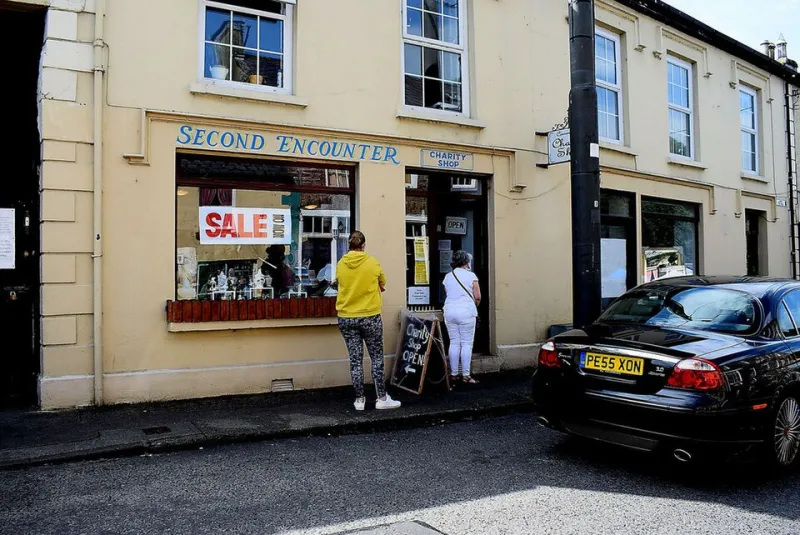
Photo: Kenneth Allen , CC BY-SA 2.0, via Wikimedia Commons
On a damp Saturday morning in Leeds, the queue outside a charity shop is not for the rails of coats. It’s for the cardboard box by the till: a tangle of postcards, pin badges and a folded poster with a familiar webtoon panel peeking out. Somebody’s old fandom is somebody else’s Saturday treasure. The price? Two pounds, and a quiet sense of victory.
Welcome to the second-hand webtoon merch hunt — a loose, word-of-mouth circuit of charity shops, car boot sales, church hall jumble tables and local Facebook Marketplace listings. It is not glamorous. It smells faintly of dust and old paper. But for a growing number of UK readers, it has become the most exciting way to build a shelf.
The Unpredictable Aisle
Webtoon merch has a habit of appearing where you least expect it. A Kickstarter postcard set from 2021, a promotional pin from a now-closed online store, a print that was limited to 100 and never reissued — these things drift into the second-hand ecosystem when readers declutter, duplicate or simply move on. Charity shops get them in bags of donations. Car boot sellers inherit them from house clearances. Facebook Marketplace listings pop up with a blurry photo and the words “webtoon bundle, collection only”.
The unpredictability is the point. Unlike a timed drop, where you know exactly what is coming and exactly how quickly it will sell out, a charity shop offers the opposite: no schedule, no algorithm, no queue of 4,000 people refreshing a checkout page. Just a lucky rummage.
The £2 Thrill
There is a particular kind of joy in finding a panel print for the price of a coffee. It is not just about saving money — though with shipping fees and limited-edition markups, saving money is part of it. It is about the story. A full-price drop arrives in a padded envelope and goes straight onto the shelf. A charity-shop find arrives with a history: a handwritten price sticker, a curled corner, a mystery stain that might be tea. You clean it up, flatten it under a stack of hardbacks, and suddenly it is yours in a way that a new purchase never quite is.
Sustainability sits quietly underneath all this. Buying second-hand keeps items in circulation, reduces the demand for new production, and offers a gentle rebuke to the cycle of limited drops and disposable merch. The readers who hunt are not necessarily anti-consumerist; they are just practical. Why buy new when someone else’s unloved pin badge can be yours for 50p?
A Very British Rummage
The UK has a long and proud relationship with the rummage. Church halls, village fetes, school fairs, car boot sales on a Sunday morning — these are the places where the second-hand webtoon trail begins. Charity shops are the gateway. Oxfam, Barnardo’s, Sue Ryder and British Heart Foundation shops all receive donations that include fandom items, and not every volunteer knows what a webtoon is. That is your advantage. A postcard set might be priced as “stationery.” A pin badge might be lumped in with costume jewellery.
Car boot sales require a different approach. Go early, bring cash, and be prepared to dig. Sellers often have boxes under tables that they have not unpacked. Ask politely if they have any “comics or cartoon bits” — you never know what might surface. Facebook Marketplace is the digital equivalent: set up saved searches for “webtoon”, “manhwa”, “comic merch” and “postcard set”, and check local listings regularly. The best finds often come from sellers who are clearing out a teenager’s room and have no idea what the items are worth.
The Restoration Bench
Part of the appeal is the fixing. A creased print can be flattened between two sheets of acid-free paper and a heavy book. A scratched pin badge can be cleaned with a soft cloth and a dab of mild soap. A tote bag with a loose seam can be stitched in ten minutes. The restoration is not about perfection; it is about care. Readers swap tips in group chats and local meet-ups: how to remove sticky residue, how to frame a print cheaply (IKEA, charity shop frames, clip frames), how to store postcards so they do not warp.
Swapping is the other half of the equation. Duplicates are common — two of the same pin from a mystery bundle, a postcard set bought twice by accident. Local swap meets and postal trades keep the circuit moving. The etiquette is simple: be honest about condition, pack securely, and do not inflate prices. The second-hand webtoon scene runs on goodwill, not profit margins.
The Rules of the Hunt
If you are new to the trail, start small. Set a budget — £10 is plenty for a first rummage — and know what you are looking for. Check condition before you buy: stains, water damage, fading and missing pin backs are common. Be wary of fakes, especially for popular series; if a pin badge looks suspiciously shiny and the price is suspiciously high, it might be a reproduction. Ask charity shop volunteers if they have more stock in the back. Build relationships: a friendly chat can lead to a volunteer setting aside a box for you.
Most importantly, enjoy the hunt. The second-hand webtoon merch trail is not a race. It is a slow, scrappy, deeply British pleasure — the thrill of the unexpected, the satisfaction of a rescue, and the knowledge that your shelf is built from stories that someone else once loved.